CBSA is stopping impaired drivers at the border and making our roads safer
Visitors Coming to Canada: What the CBSA’s Border Checks for Impaired Drivers Mean for Your Trip
On 16 March 2026, the Canada Border Services Agency (CBSA) published a notice highlighting efforts to stop impaired drivers at the border and make roads safer.
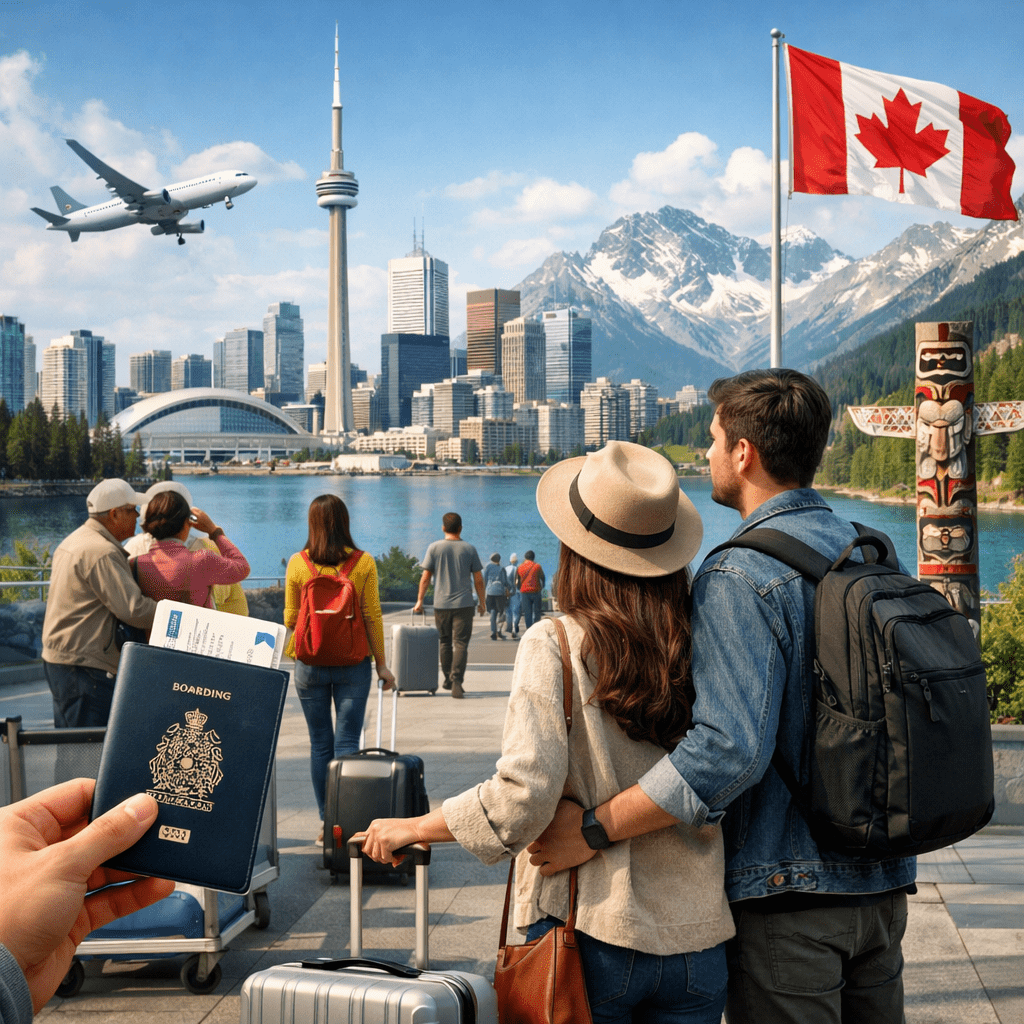
This update is important for Visitors Coming to Canada because border screening and road-safety checks can affect travel plans, vehicle use, and the information officers request at entry.
Why the CBSA action matters to visitors
The CBSA’s announcement stresses enforcement at points of entry to prevent impaired driving from entering our road system.
For visitors, the practical outcome is clearer: officers are more alert to signs of impairment and to circumstances that could pose a road-safety risk.
What visitors should expect at the border
Expect routine questions about your travel, purpose of visit, and transport arrangements when you arrive in Canada.
If you plan to drive after entry, officers may ask about your driving plans, vehicle condition, and fitness to drive as part of standard safety checks.
Travel documents and visas: be prepared
Bring the correct travel documents for your stay, such as a visitor visa or an eTA (if applicable), a passport valid for your trip, and any other entry paperwork.
If you are coming under a Super Visa or extended family visit, carry proof of status or invitation letters that explain the purpose and length of your stay.
Visit our guides for more details: Visitor Visa, Super Visa, and Visa Extensions.
Travel insurance, invitation letters, and practical paperwork
Travel insurance that covers medical care and travel disruptions is strongly recommended for Visitors Coming to Canada.
Invitation letters from friends or family can help clarify your plans, but they do not replace official visa requirements.
Keep electronic and paper copies of key documents, including your insurance policy, invitation letter, and contact information for your host.
Safety tips for driving and alternatives
- Do not drive if you have been drinking, using drugs, or feel unfit to operate a vehicle.
- Plan transport alternatives: taxis, rideshares, public transit, or arranging a designated driver are sensible options.
- If you plan to rent a car, check the rental company’s rules and insurance requirements before you arrive.
How enforcement can affect your travel plans
Heightened checks for impaired driving aim to protect everyone on Canadian roads, but they can also mean extra screening at borders and possible delays for some travellers.
Remain cooperative with border officers and answer routine questions truthfully to help speed the process and reduce misunderstandings.
When you might need help
If you are unsure about entry rules, visa status, or how a border check affects your travel, consult official sources or a qualified immigration professional.
For non-legal support, contact your host, airline, or rental provider to manage reservations and transport if you experience delays.
Practical checklist for Visitors Coming to Canada
- Valid passport and required visa or eTA.
- Copies of invitation letters, travel itinerary, and accommodation details.
- Active travel insurance covering medical and travel-related incidents.
- Plans for safe transport on arrival—avoid driving if impaired.
- Contact details for your host and local emergency numbers.
Keep up to date and verify official information
Immigration rules, fees, forms, and border procedures can change. Verify current requirements on the Government of Canada website before you travel.
Visit our VisitVisa.ca updates for practical articles and links to official sources: Immigration Updates and Travel Insurance.
Key takeaway for Visitors Coming to Canada
The CBSA’s border measures to stop impaired drivers are intended to make Canadian roads safer and can affect entry procedures for visitors.
Plan ahead: bring the right documents, secure travel insurance, arrange safe transport, and stay informed through official channels to keep your visit smooth and compliant.
For authoritative details on the CBSA announcement and border policy, review the original Government of Canada notice linked below.
Source: CBSA is stopping impaired drivers at the border and making our roads safer — Canada.ca
Verify before you apply
Canada visa and entry requirements can change. Check official government resources before booking travel or submitting an application.
Get Help With Your Canada Visitor Visa Application
Need support preparing Canada visitor visa documents, invitation letters, or travel purpose details? Start with our helpful Canada visa resources.
Get Visa Help → Travel ProtectionGet Travel Insurance Before You Fly to Canada
Compare visitor coverage ideas and prepare for unexpected medical, trip, and visitor expenses before travelling to Canada.
Explore Insurance →