Canada eTA vs Visitor Visa: Which One Do You Need?
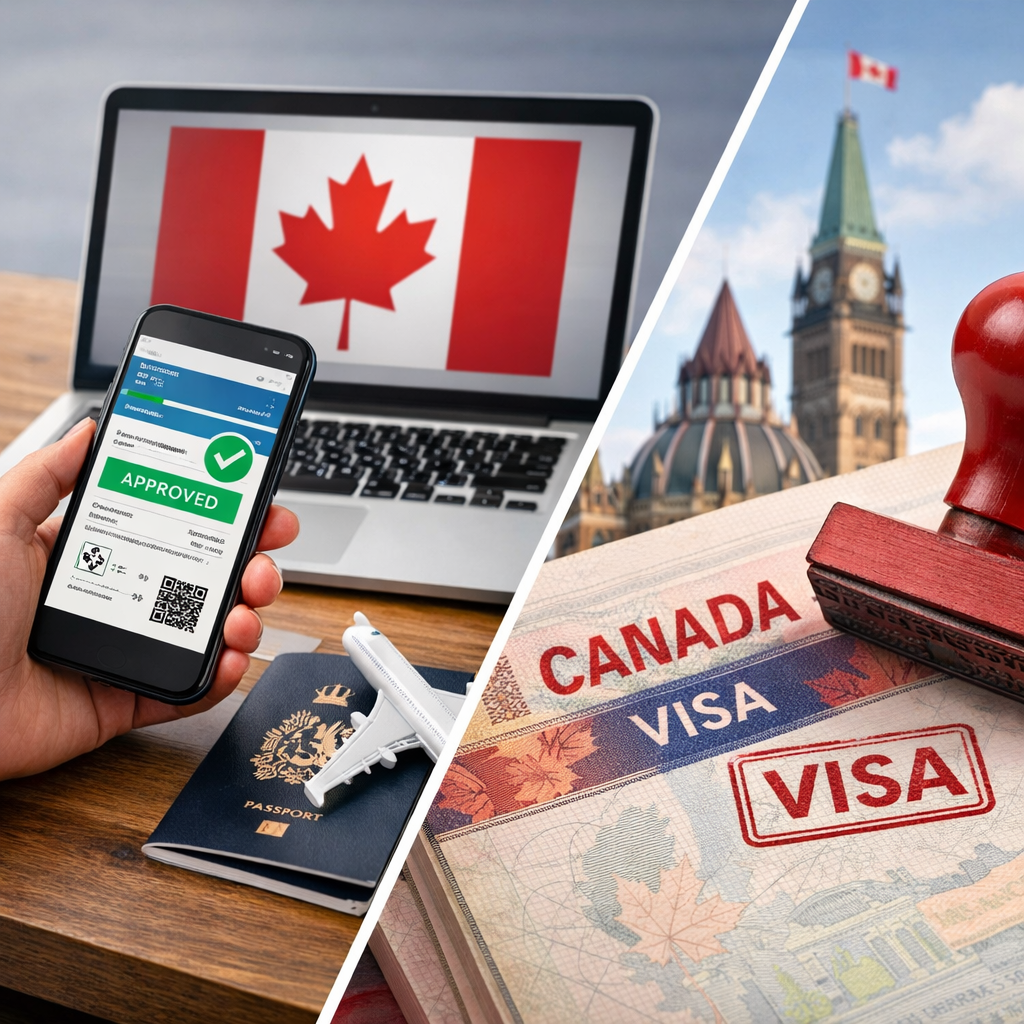
Canada eTA vs Visitor Visa: Which One Do You Need?
Planning a trip to Canada? Understanding “Canada eTA vs Visitor Visa” helps you pick the right entry document for your visit. This guide from VisitVisa.ca explains the basics in simple terms for families, parents, and first-time travelers.
We cover who needs each option, short stays versus longer visits, and practical tips about travel documents, insurance, invitation letters, and visa extensions. Always verify requirements before you apply.
Canada eTA vs Visitor Visa: Key differences
The main difference is purpose and eligibility: an electronic Travel Authorization (eTA) is for visa-exempt foreign nationals flying to Canada, while a Visitor Visa (temporary resident visa) is for travellers from countries that require a visa.
Official Government of Canada pages explain each: eTA details at https://www.canada.ca/en/immigration-refugees-citizenship/services/visit-canada/eta.html and visitor visa information at https://www.canada.ca/en/immigration-refugees-citizenship/services/visit-canada/temporary-resident-visa.html.
Who typically needs an eTA?
If you are from a visa-exempt country and arriving by air, you usually need an eTA. Holders of U.S. Green Cards also often need an eTA to board a flight to Canada.
- Air travellers from the UK, EU, Australia, Japan, South Korea: eTA applies.
- U.S. lawful permanent residents: check the eTA requirements.
Who typically needs a Visitor Visa?
Travellers from countries that are not visa-exempt must apply for a Visitor Visa before travelling. Visitor Visas are also used when a longer stay, study, or certain planned activities require a visa.
- Passport holders from countries listed on the Government of Canada site must apply for a Visitor Visa.
- If you plan to stay beyond a short visit, check whether a Visitor Visa or another permit is needed.
Super Visa, visa extensions and travel documents
Parents and grandparents may be eligible for a Super Visa for longer multi-year visits; it has different requirements, including medical insurance. Visitors may apply to extend their stay from inside Canada if needed.
Bring a valid passport, proof of funds, invitation letter if applicable, and travel insurance. Invitation letters and insurance strengthen an application but do not guarantee entry or approval.
Practical tips: application steps and updates
Apply online where possible, follow document checklists, and pay attention to biometrics or medical exam requirements. VisitVisa.ca has practical articles like https://visitvisa.ca/canada-eta and https://visitvisa.ca/visitor-visa-guide to help you prepare.
Rules, fees, forms, and processing steps change. Always confirm current details on the Government of Canada website (https://www.canada.ca/en/immigration-refugees-citizenship.html) or consult a qualified professional for complex cases.
Conclusion: choosing between Canada eTA vs Visitor Visa
Deciding between a Canada eTA vs Visitor Visa depends on your nationality, travel method, and length or purpose of stay. Use the official guidance, prepare documents like travel insurance and invitation letters, and check for updates before applying.
General information note: this article provides helpful overview only and is not legal or official immigration advice. Immigration rules and requirements can change—verify with the Government of Canada or a qualified professional before you apply.
Verify before you apply
Canada visa and entry requirements can change. Check official government resources before booking travel or submitting an application.
Get Help With Your Canada Visitor Visa Application
Need support preparing Canada visitor visa documents, invitation letters, or travel purpose details? Start with our helpful Canada visa resources.
Get Visa Help → Travel ProtectionGet Travel Insurance Before You Fly to Canada
Compare visitor coverage ideas and prepare for unexpected medical, trip, and visitor expenses before travelling to Canada.
Explore Insurance →